
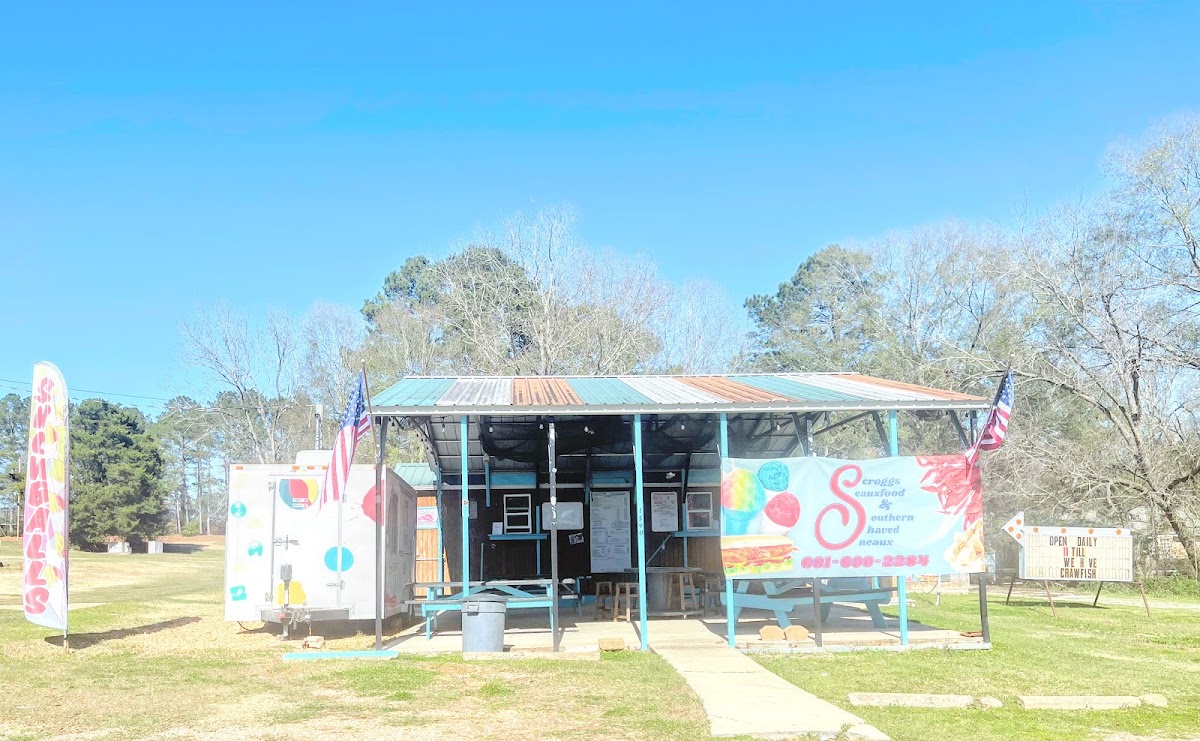
Scroggs Seafood Menu
Seafood Restaurant 4.1 Rating $10 to $20 Price Range
1540A Park Dr, McComb, MS 39648, United States
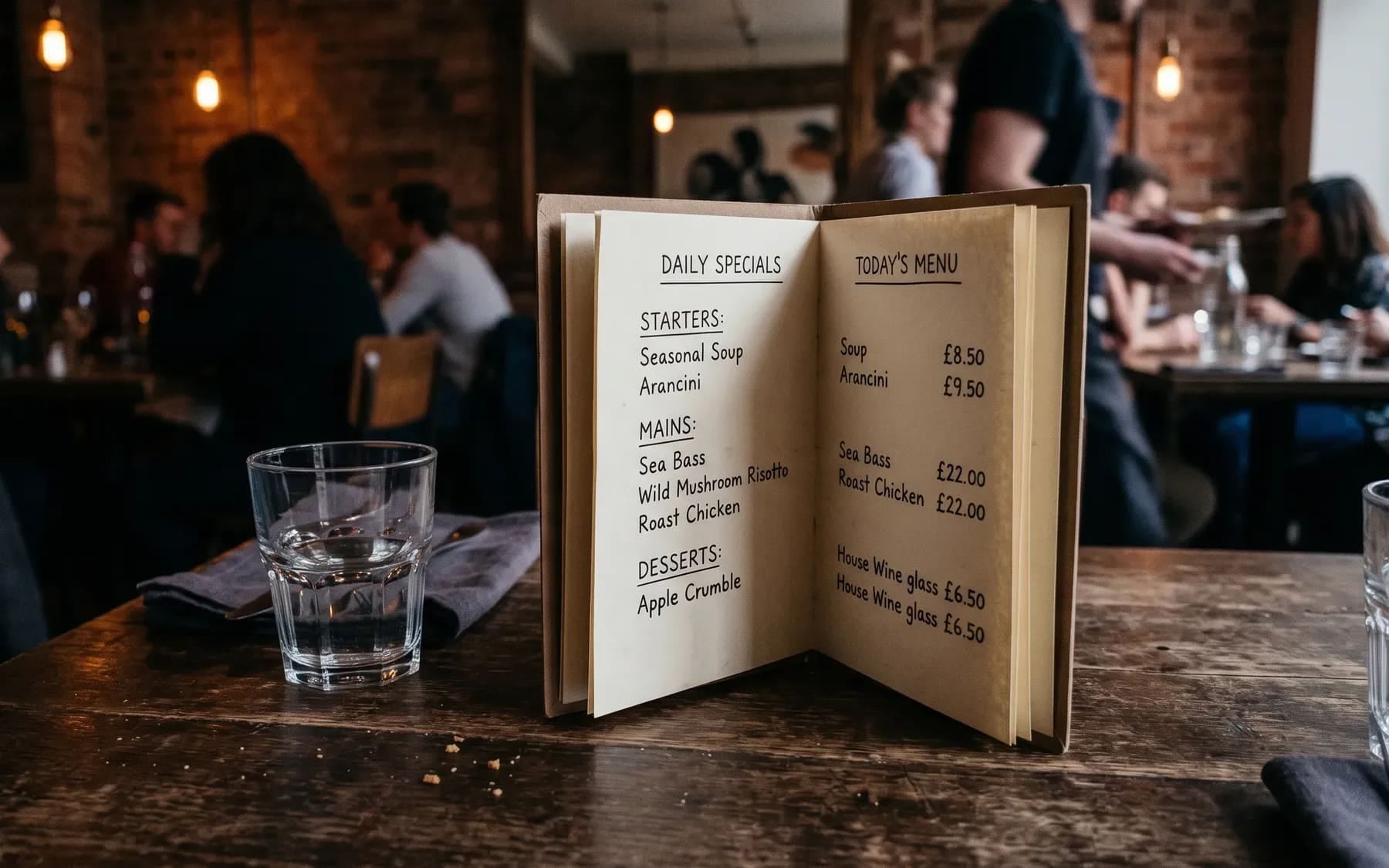
Field by field
A record is short on purpose. Knowing what each line is - and what it is not - is most of what you need to use one well.
Menu title and venue
The name the menu is published under, and the place that prints it. Both come off the record; neither is a headline we wrote for it.
Type
One short descriptor, such as Thai restaurant or bar and grill. It says which category the venue is filed under. It says nothing about how well it cooks.
Image
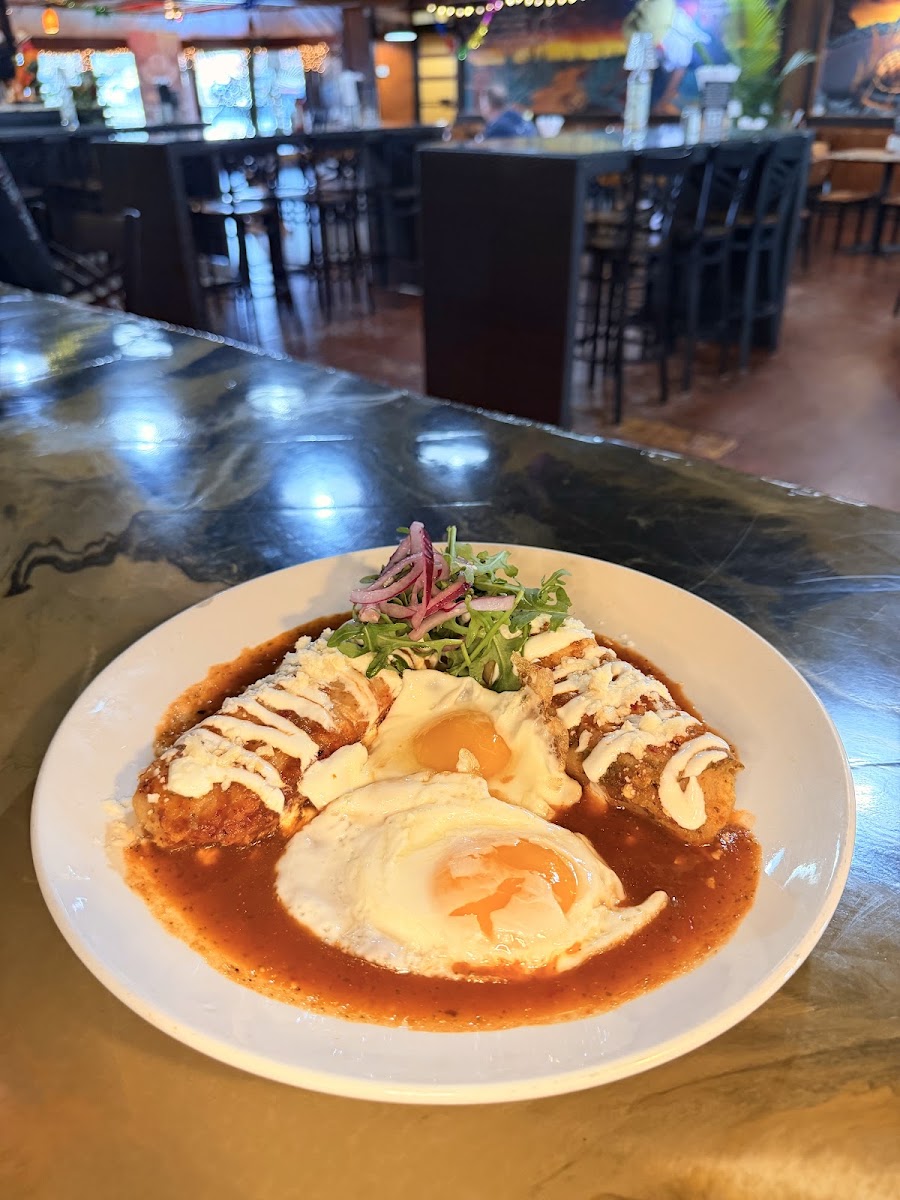
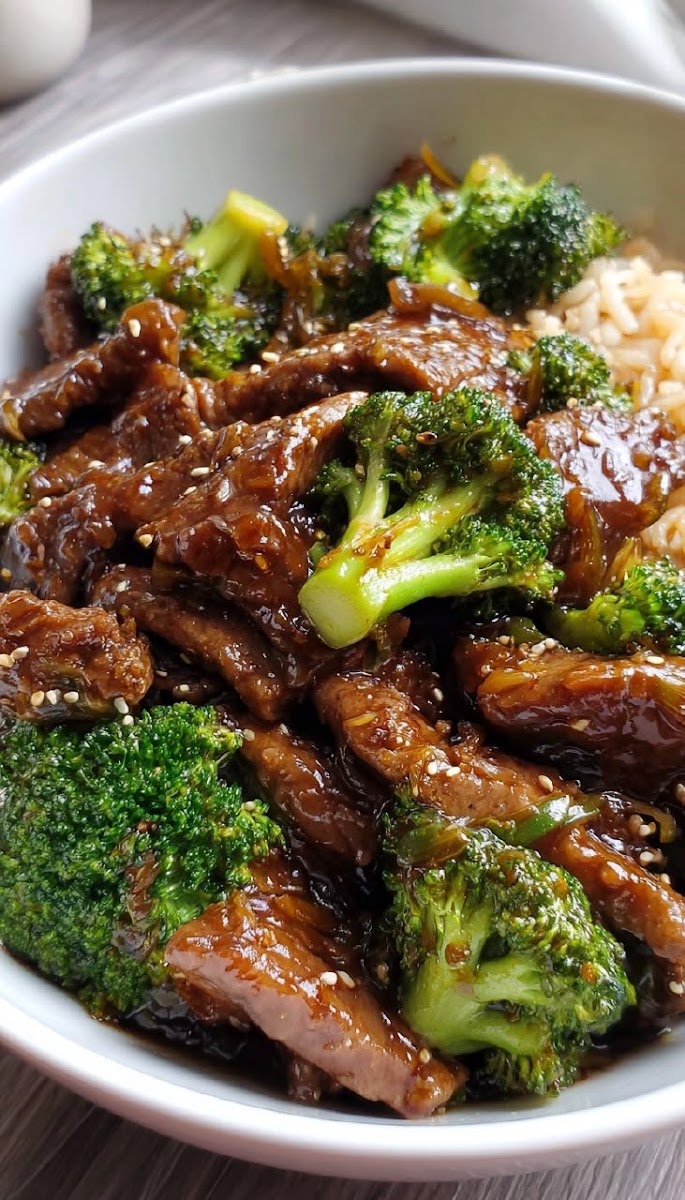
A photograph shown where the record carries one. Read it as a picture of the place, not as a portrait of a plate you can order tonight.
Description
A short passage that arrived with the menu, generally written by the venue itself. We trim it to fit the card. We do not reword what it claims.
Badges
Plain traits held against the entry, such as dine-in or drive-through. They are labels sitting on the record, not marks handed out by us.
Address
The street address exactly as recorded. Places move and units get renumbered, so match it against the venue's own channels before you set out.
Rating and review count
A public figure and the number of votes standing behind it, carried through untouched. Menuvero scores nothing and adjusts nothing.
The link out
One plain link that opens the menu itself. It is worded the same on every card, because the wording is not where a decision should be made.
The order of the records below carries no meaning at all. Nothing sits higher for being better, busier or nearer, and nothing has paid to sit anywhere. If a menu appears first it is because the list happened to hold it first, and reading a ranking into that would be reading something we did not write.
The same goes for the shape of a card. Every entry gets the same box, the same fields and the same amount of room, whether the record behind it is full or thin. A sparse card means we had little to set out, not that the kitchen has little to offer.
No field on a card can tell you whether a dish is on tonight, whether the figure beside it is today's price, or whether the kitchen can work around an allergy. Those answers exist only in the room, on the day. The record gets you as far as the door.
One format, all the way down
A run of live menu records from different venues, each one set out the same way. The sameness is the design: one box, one set of fields, one order.
Menu title, the venue behind it, the type of place, an image where the record carries one, whatever badges are held against it, the short description that came with the menu, the public rating with the count of votes behind it, the street address, and a link that opens the menu. The link reads Open the menu on every card, because no record here has earned a louder verb than the one beside it.
1540A Park Dr, McComb, MS 39648, United States
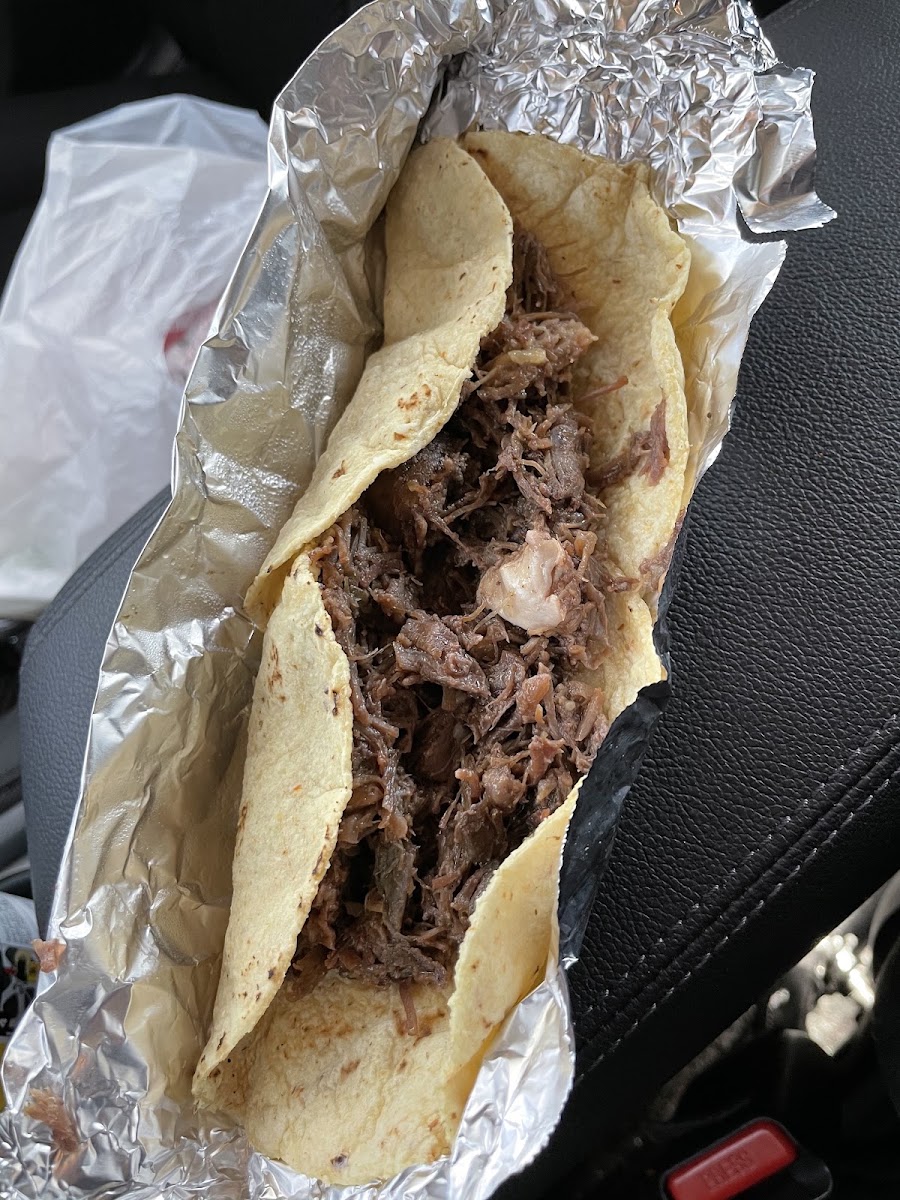
413 Hooks Ave, Donna, TX 78537, United States
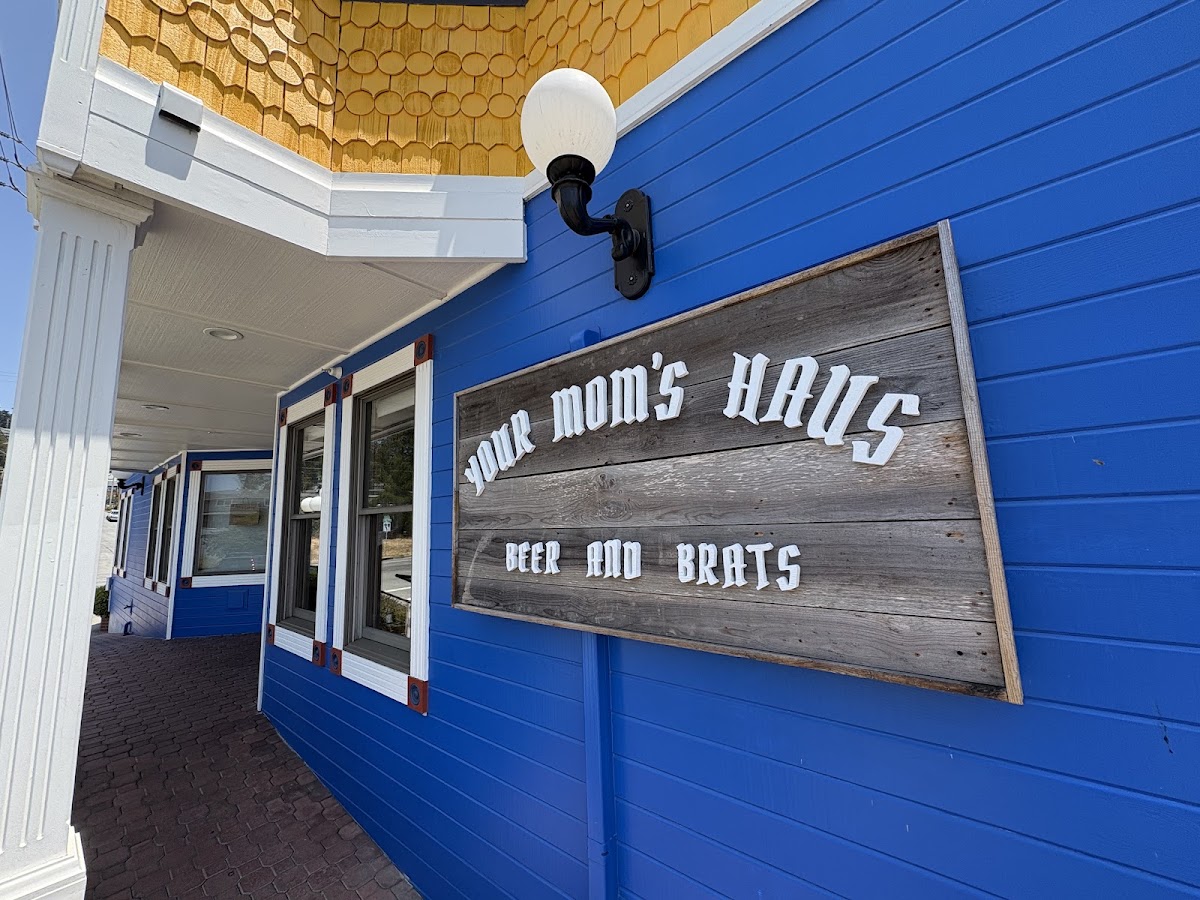
30 Ave Portola #1B, El Granada, CA 94018, United States
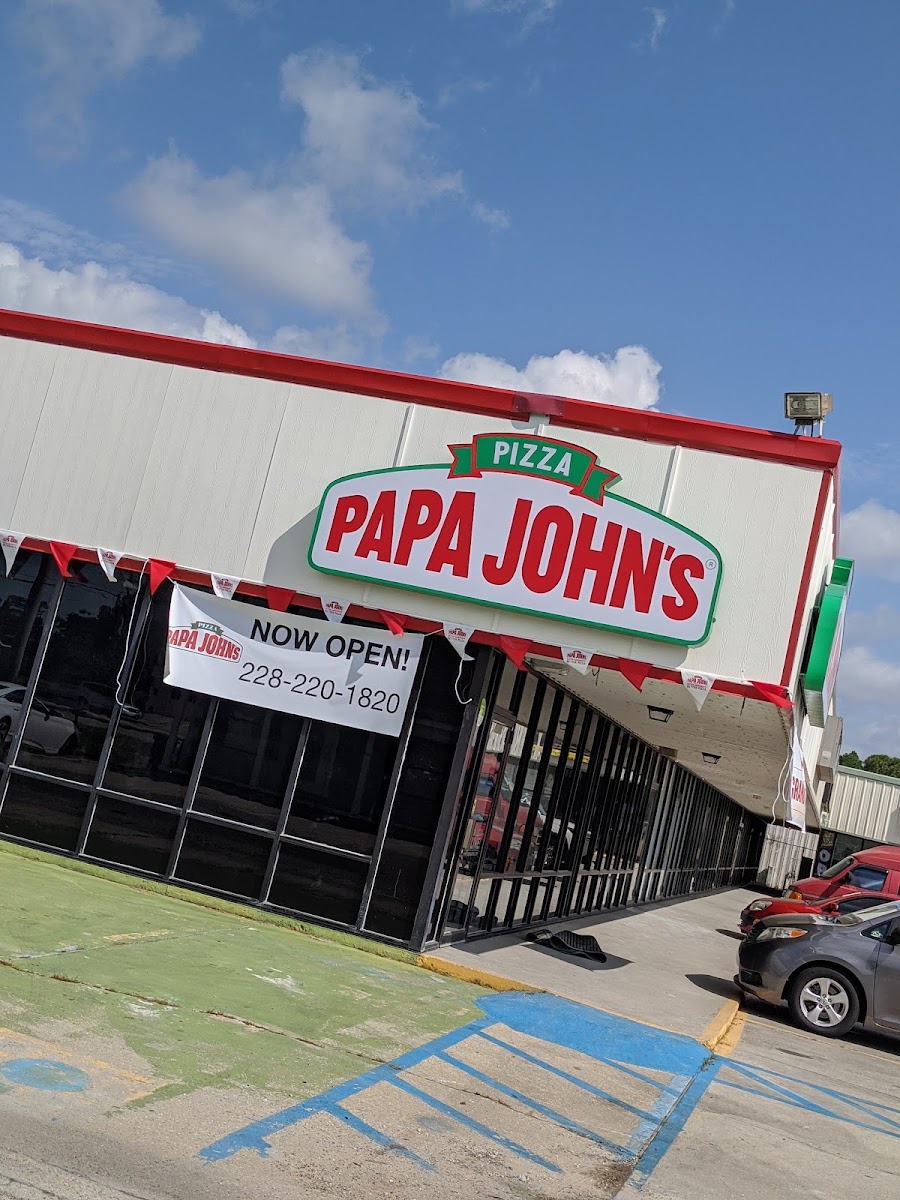
2402 McLaurin St, Waveland, MS 39576, United States
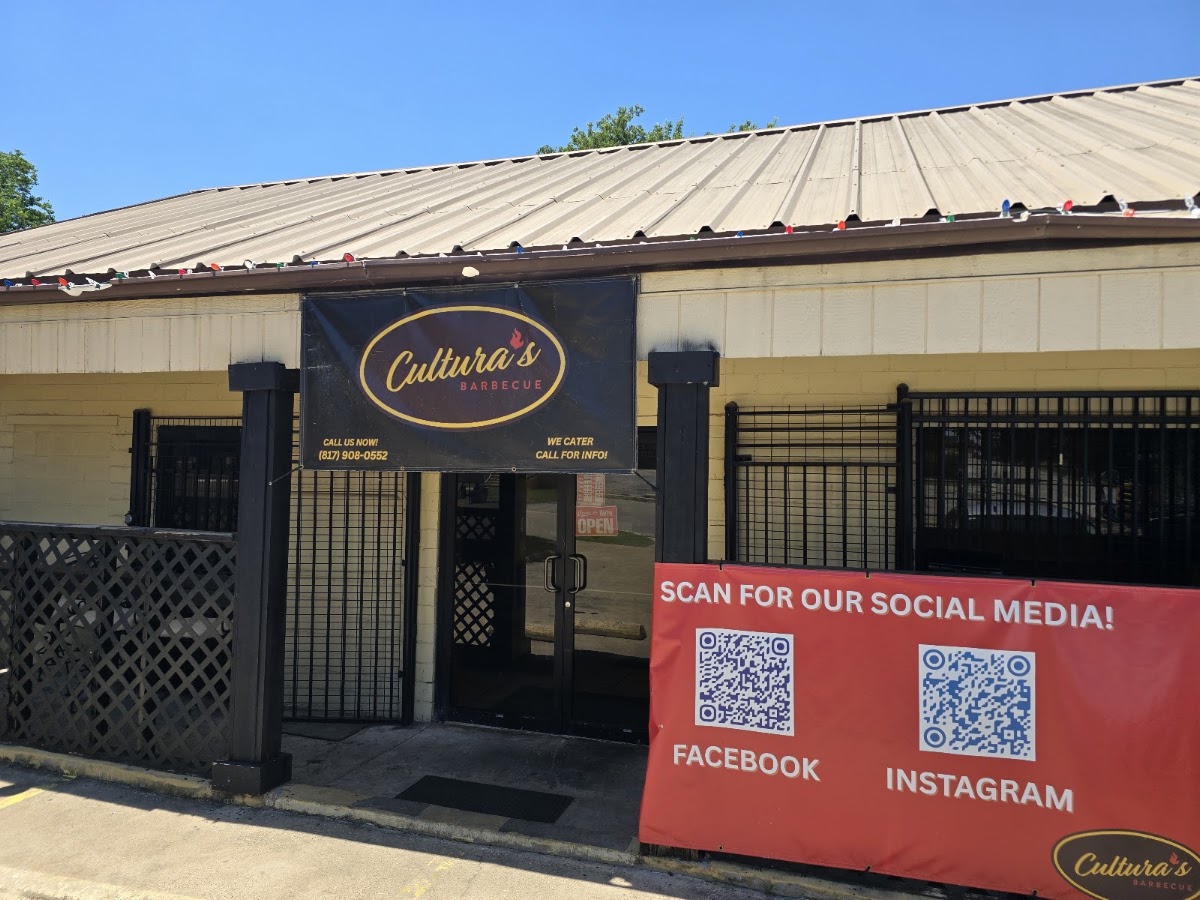
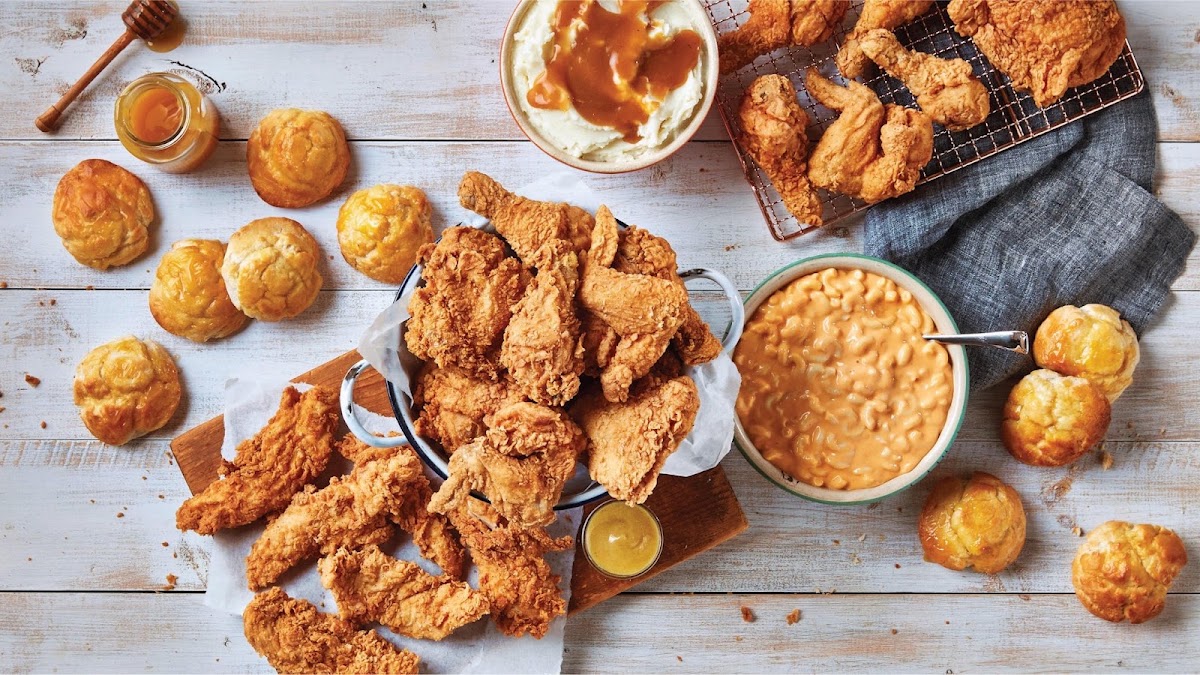
2100 W Memorial Blvd, Lakeland, FL 33815, United States
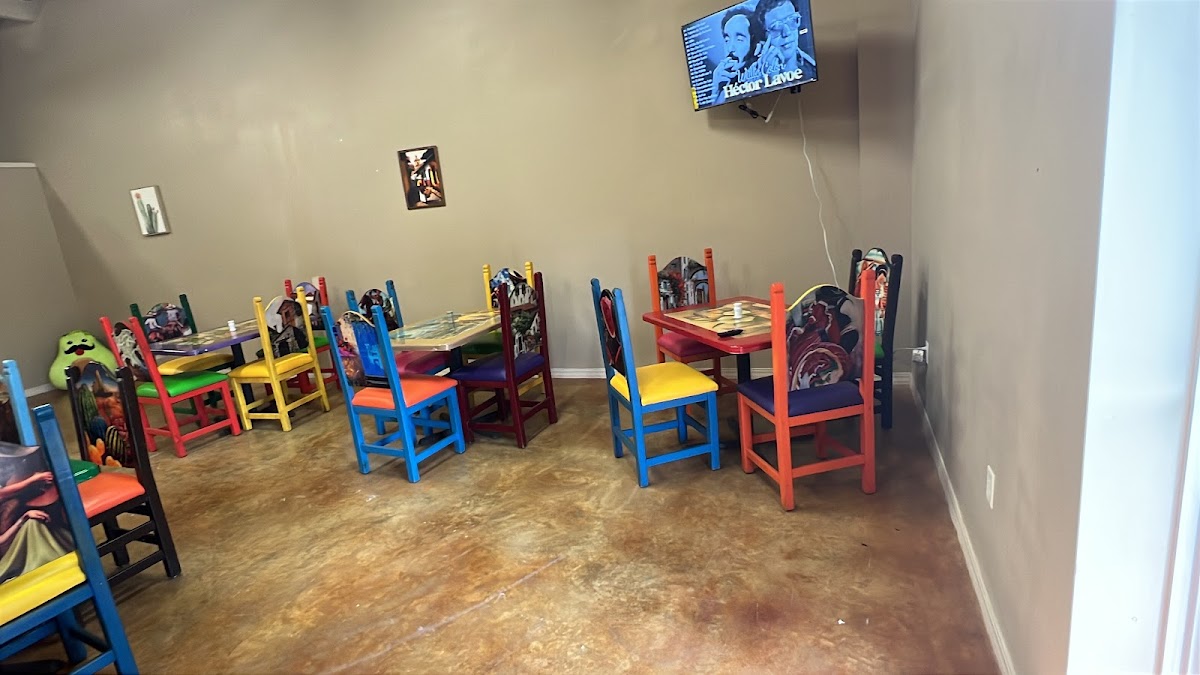
21256 LA-16 Ste 5, Franklinton, LA 70438, United States
2171 E Dublin Granville Rd, Columbus, OH 43229, United States
No card above is featured, boosted or pinned. There is no highlighted slot on this page and none is coming, because a highlight is a judgement and judgements are not ours to make here.
The rating and the vote count on each card are public figures, passed through from where they were published. They can move at the source without any word of it reaching this page, and we never round them, weight them or set them against each other.
The parts that travel fastest
Not every line on a card ages at the same speed. A few of them move long before anything online catches up.
Specials go first. They are written for a week, a weekend or a single evening, and they are gone by the time anyone thinks to publish them anywhere. Seasonal plates follow: a dish that suited a cold month quietly leaves the card when the produce behind it does. Prices move third and most invisibly, because a kitchen can reprint a card without touching a single web page.
What holds steadier is the shape of the thing. How many courses a kitchen runs, how wide its range is, whether it leans to grills or to noodles, roughly what band its main plates sit in - those are slow to change, and they are what a record like this is genuinely good for.
So use the entries below the way you would use a menu posted in a window: to work out whether this is the sort of place you want tonight. For the exact figure, the exact dish and anything at all to do with what you can and cannot eat, the venue's own line is the only one worth trusting.
A record can put the question in your hand. Only the venue can answer it.
No schedule to point at
There is no re-reading cycle running behind this page, and we will not print a date that implies one.
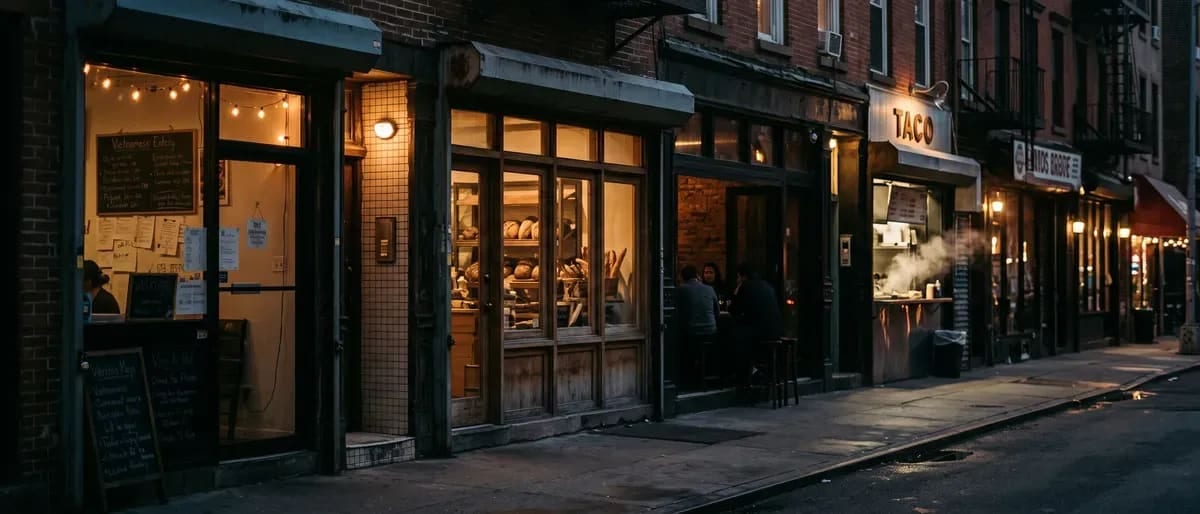
Every door on a street like this moves at its own pace. No single page keeps up with all of them.
Menuvero does not run a fixed re-check cycle over these records, and it does not attach a freshness date to any of them. This is a static set of pages. There is nothing behind it watching a kitchen and reporting back, so a stamp saying otherwise would be an invention dressed as a service - and an invention of exactly the kind that makes a directory harder to trust, not easier.
What you can take from a record here is real, but it is bounded. It is a careful account of what a venue set out, gathered at the time it was gathered. It is worth reading before you go and worth checking when you arrive, and those two things are not in tension: the first saves you a wasted trip, the second saves you a wrong assumption.
When something here has clearly slipped - a menu replaced, a price band moved, a place that has closed or moved on - a plain note about it is the fastest way the page gets closer to the truth. We read what comes in and change what the public record supports. We will not promise a reply, and we will not promise a date by which it is done, because neither is something we could honestly hold to.